Work isn’t always easy, but a little kindness can make it worth it. These moments show how empathy, compassion, and small acts of kindness can turn stressful situations into something good. They show that real human connection can make even the hardest jobs feel worth it.
A cashier at a neighbourhood pharmacy was trying to help a young mother buy medicine while her baby cried the whole time. A man in queue laughed loudly and asked her how she could do her job. The cashier backed away and said she was sorry. The mother quietly thanked her, looking embarrassed. As the man kept saying bad things, the store got more and more tense.
Then an older chemist came over, gave the mother a free bottle of the same medicine, and told her that everything was fine. The cashier finally calmed down and smiled for the first time that night. Before she left, the mother hugged the chemist. The rude customer, on the other hand, slipped away, suddenly less brave. Later, the cashier said softly to her coworkers, “This is why we do this job,” and no one disagreed.

A cleaning worker was quietly crying while cleaning tables during a late-night shift at the hospital. Security had just told her to stop “loitering” during her break, and a supervisor yelled at her in front of everyone, thinking she was avoiding work. Most people stood by and watched without saying anything.
The supervisor didn’t care when she said that her son had been taken to another emergency room right away. After that, a surgeon got up, called her a taxi, gave her money, and told her to leave right away to be with her child. He even said he would do her cleaning for her so she wouldn’t lose pay. That night, everyone saw authority in a different light when they saw a senior doctor cleaning floors at 2 a.m.
During the holidays, I was accused of short-changing a customer in a busy store. My boss believed her right away and told me to take everything out of my pockets in front of everyone. People looked and even filmed the moment. I was embarrassed and scared that I would lose my job.
Before any real bill, another cashier insisted on looking at the camera footage. She stayed late to do it. The recording showed that the customer had accidentally taken some of her own money. The customer left without saying sorry, and my boss said it was just a misunderstanding. But that coworker standing up for me, even though it cost her time, showed me that being kind can sometimes take courage.
A young mother at an airport gate fought with staff over a baggage fee she couldn’t pay. The agent thought she was being difficult and said she would not be allowed to board. Passengers who were angry about delays complained.
When she said the bag had important medical supplies for her child, people didn’t change their minds. That is, until a flight attendant quietly paid the fee herself. She didn’t make a fuss; she just asked the agent to take care of it and moved on. Later, I found out that she was already having money problems. That little act of kindness said more than any policy ever could.
I was new to the job at the warehouse, so I was blamed for mistakes in the inventory during an audit. Management hinted that I might lose my job. My coworkers stayed away from me, and I hardly slept while I waited for the outcome.
During his unpaid break the next day, a senior employee spent hours going over records again. He found out that a bug in the system had caused the entries to be the same. He defended me even though he knew it could hurt his relationship with management. He later said that he had already missed out on promotions because he spoke up too often. But he still chose to do the right thing.
After a complaint about slow service, the owner of a small restaurant yelled at the waitress. He knew that her babysitter had cancelled, so her child was in the kitchen doing homework. He still said he would cut her shifts.
 10 Workplace Kindness Acts Showing Optimism And Compassion Transform Everyday Professional Life
A regular customer stood up and praised her work ethic, saying that she had once helped an elderly customer who was in trouble. Then he quietly left a big tip and paid for the tables she missed so she could go home early. It was surprisingly powerful to see a stranger step in when management failed.
For twenty minutes, a customer yelled at me at a call center. My boss told me to do a better job, which made things even more stressful. I was completely drained after the call.
A coworker I didn’t know very well switched places with me and took my next calls, telling the boss I was helping with training. She missed her bonus because her performance metrics went down. She just said that everyone needs help sometimes when I thanked her. That moment made the job feel less lonely.
A young worker at a clothing store was stopped and searched after someone said they had stolen something. Management thought she was to blame. Customers saw her insist that she hadn’t done anything wrong.
An older tailor came forward and said he had accidentally put the item in with repair orders. He took a warning that was meant for her, even though the problem was fixed. He later said that new employees were often judged more harshly, and he wanted to keep her safe. His quiet sacrifice showed a different kind of loyalty.
A customer threw coins at me late one night at a petrol station because the pump broke. My boss told me to put up with it so I wouldn’t get any complaints. The situation got worse as the customer kept calling me names.
A truck driver who was waiting behind him stepped in and told the man to calm down. In the end, he paid for the gas just to end the fight. He stayed behind to help me clean up and even bought coffee for the workers before he left. Even though he was tired from a long drive, he chose to stand up for someone else.
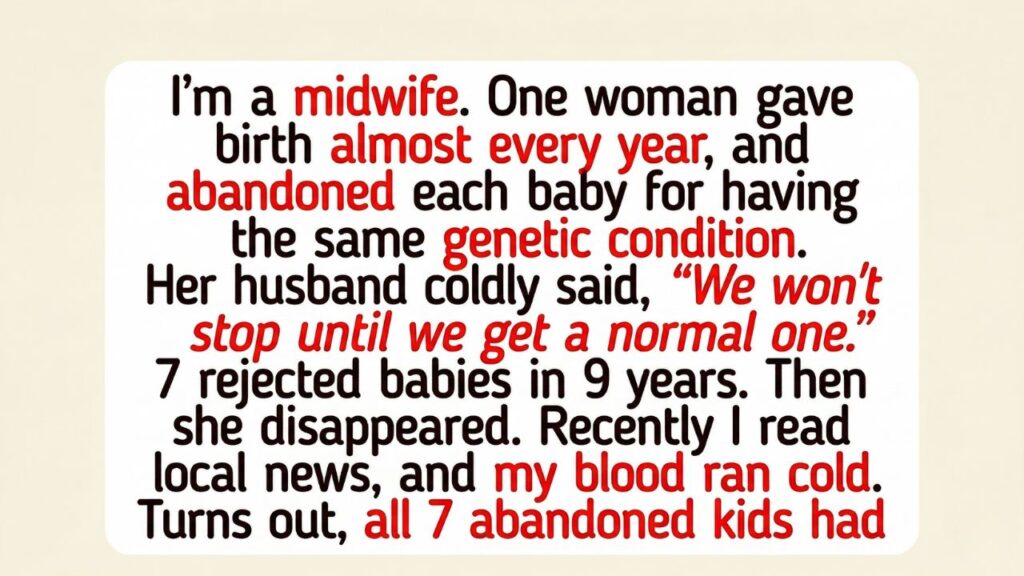
As a midwife, I once took care of a woman who kept leaving her newborns because of a genetic problem. Years later, I found out that our department head, a strict and scary man that not many people understood, had adopted all of those kids.
He quietly raised each child, making sure they got the right care, love, and a stable life, and he never asked for credit. His actions showed that he was more caring than he seemed, reminding us that kindness isn’t always easy to see.
Empathy and compassion often show up in small, quiet ways, but they can have a big effect. These times show how kind actions can make things easier, give people back their dignity, and show the strength that can be found in everyday people.