In 2026, Singapore’s electricity rates will change in a big way, which is making a lot of homes and businesses worried about their rising utility bills. Singapore’s regulated tariff changes take into account both fuel costs and infrastructure needs as energy prices change around the world. The government has stepped in with targeted support measures to help ease the burden of higher electricity costs, even though they can make monthly budgets tighter. Residents who want to keep their costs down while adjusting to Singapore’s changing energy landscape need to know about these tariff changes and the help that is available.
Understanding Changes to Singapore’s Electricity Tariff in 2026
The changes to Singapore’s electricity rates in 2026 are mostly based on global fuel trends and the country’s energy needs. When natural gas prices go up and down, they directly affect energy price trends and cause tariffs to change on a regular basis. This means that a lot of families will have to get used to paying more each month and change the way they use energy. To make sure that customers know how tariffs are set, the government has stressed the need for a “transparent pricing policy.” Costs are also going up because of things like investments in sustainability and upgrades to the power grid. Even though these increases may seem hard, they will help Singapore’s energy supply stay reliable in the long term and make the switch to cleaner energy easier.
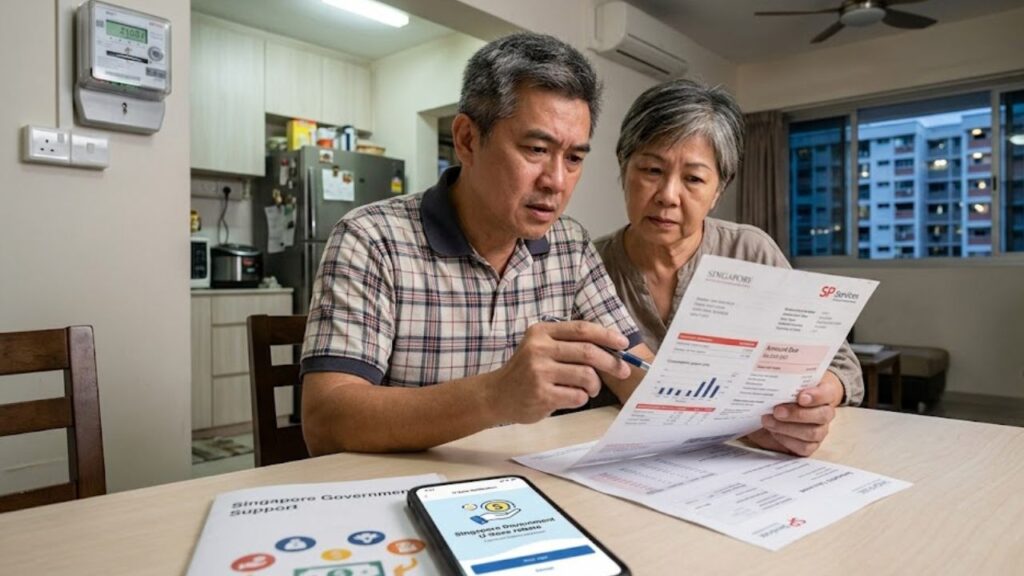
How Rising Electricity Costs Affect Households in Singapore
Rising electricity costs in Singapore are affecting both residential and commercial users, especially those who use a lot of electricity. As bills go up, families are becoming more aware of their daily energy use. This has led to a shift toward more efficient home appliances and smarter energy habits. For people with less money, the effects can be even bigger, so it’s important to have “cost management strategies.” Businesses are also feeling the pressure and are often changing how they do things to lower their “operational energy expenses.” Even though there are problems, this change encourages people to save energy and learn more about how to be more environmentally friendly. This will help Singapore move toward a future with less energy use.

Government Help for Rising Electricity Prices
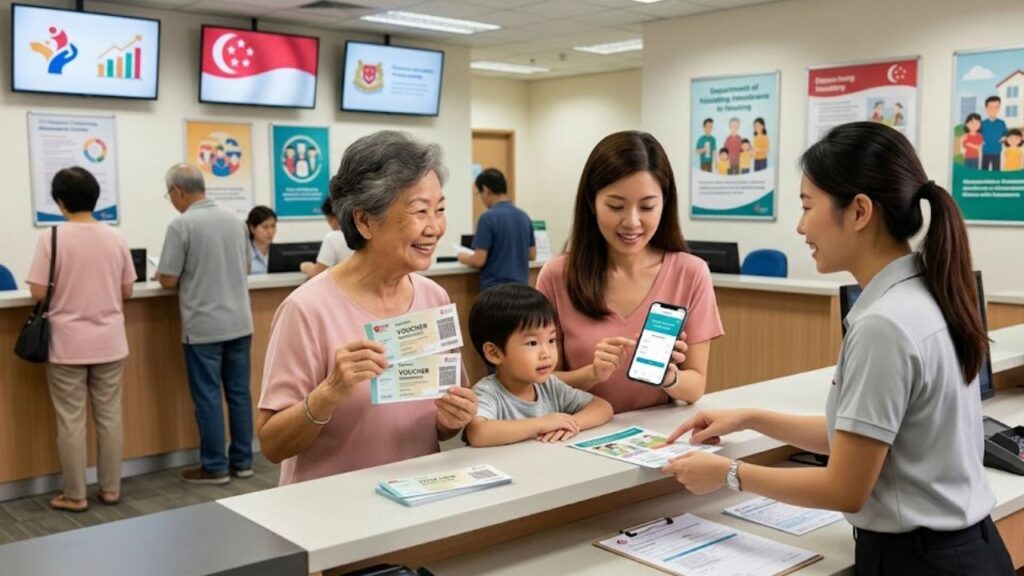
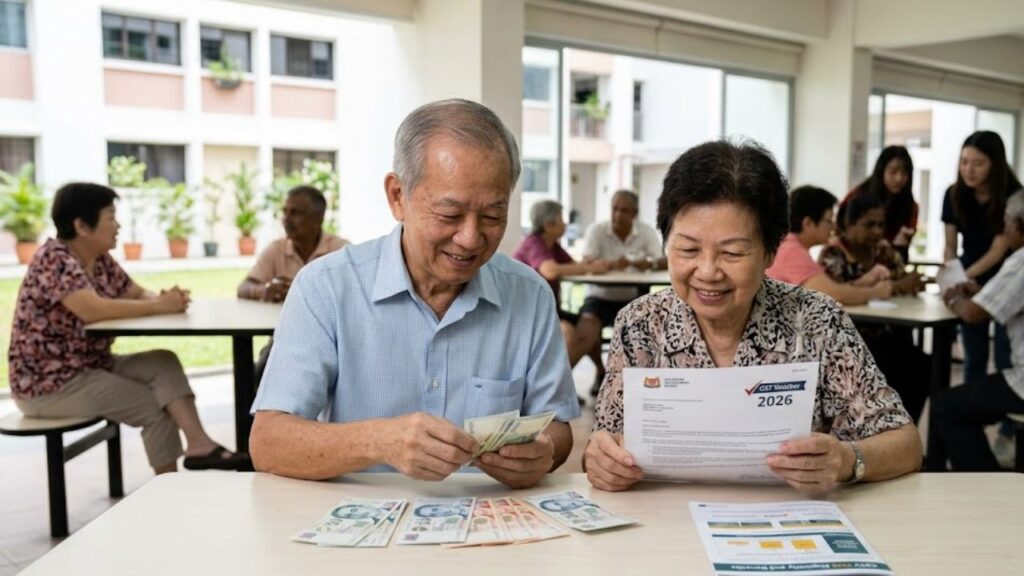
To help people deal with rising costs, the Singapore government has set up a number of support programs. Utility rebate programs can help some households pay less for their electricity. Extra help includes “targeted financial aid” for groups that are at risk and “energy saving incentives” that encourage people to use less energy. Public awareness campaigns also push “smart energy solutions” to help people use energy more wisely. These programs are meant to make sure that families don’t have to struggle when tariffs go up, keeping a balance between economic realities and social support.
Important Points to Remember About the 2026 Update to Singapore’s Electricity Tariff
The update to Singapore’s electricity rates in 2026 shows how hard it is to find a balance between global energy costs and local sustainability goals. Rising tariffs show how fuel prices affect the world, but they also help investments in infrastructure and clean energy. Government actions, like rebates and incentives, give affected families “financial relief options.” Changing your habits to be more energy efficient can help a lot with the higher bills. Ultimately, knowing about these changes gives residents the power to make smart choices, which helps them deal with rising costs while also helping to create a more sustainable and resilient energy future.
Questions That Are Often Asked
1. What is making the price of electricity go up in Singapore?
The main reasons for the rise are higher fuel prices around the world and investments in infrastructure.
2. Who benefits from government programs that help?

Mostly families with lower and middle incomes, especially those who live in HDB flats.
3. How often do people in Singapore look at their electricity rates?
Every three months, tariffs are usually looked at and changed.
4. How can families cut down on their electricity costs?
By using appliances that use less energy and being careful about how you use them.