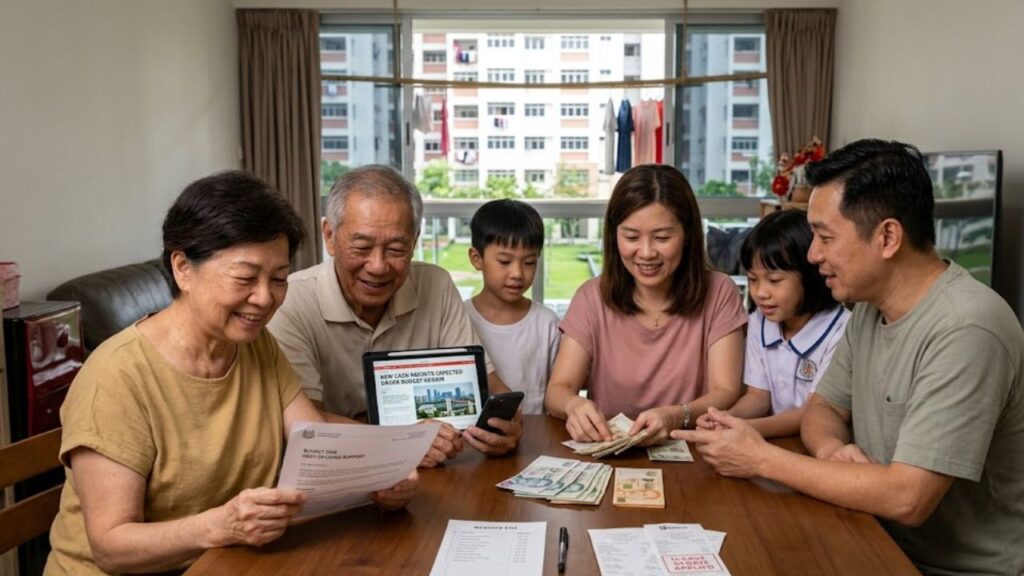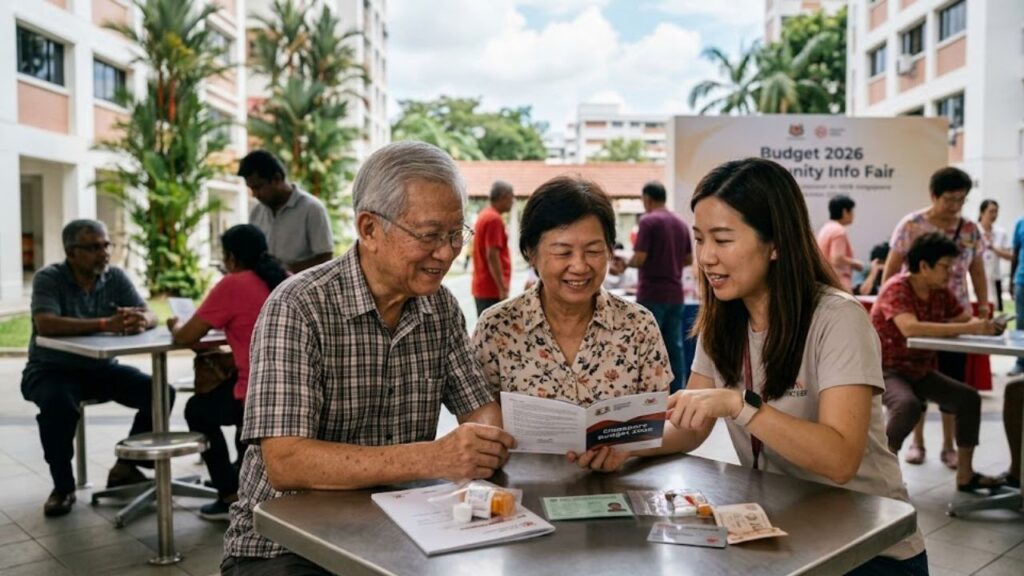
As the nation continues to deal with growing living expenses, the Singapore Budget 2026 places a renewed emphasis on helping growing living expenses, particularly lower-income families and seniors. The government is implementing practical relief initiatives, expanded support schemes, and improved benefits in an effort to alleviate financial strain. These changes are intended to strengthen long-term financial security while enhancing daily affordability. This budget represents a more inclusive strategy that emphasizes stability, resilience, and significant support in a shifting economic climate for many households throughout Singapore.
Benefits for seniors in the Singapore Budget 2026 explained
The most recent revisions to the Singapore Budget 2026 emphasize improved financial protection for senior citizens through increased healthcare subsidies and retirement support. Seniors can anticipate higher payouts particularly from programs that address the needs of an aging population and growing medical costs. With the expansion of utility rebates and more regular support all year long, further improvements are intended to lessen the burden of daily expenses. The government’s commitment to maintaining a stable standard of living for retirees while addressing the realities of longer life expectancies and rising healthcare demands is reflected in these measures.
Support for lower-income families under the Singapore Budget Improvements
The Singapore Budget 2026 offers more assistance to lower-income families through household support programs and cost-cutting initiatives. Improved vouchers, rebates, and focused programs for everyday expense management will help families facing inflation. In order to maintain the reduction of the income gap as a top priority, the government is also concentrating on expanding access to necessary services. It is anticipated that these adjustments will give families facing financial difficulties in an expensive setting both short-term financial respite and long-term economic engagement.

Important changes to Singapore’s 2026 budget that will affect households
Beyond direct payouts, the Singapore Budget 2026 includes a number of more comprehensive reforms that affect day-to-day living through community support initiatives and the expansion of financial assistance. Improvements in public services and easier access to programs that support equitable economic growth may be noticed by households. In addition to providing immediate relief, the emphasis is on enhancing resilience through improved planning instruments and organized initiatives. With these changes, the government hopes to establish a more equitable system that meets everyone’s needs both now and in the future.
An overview of the Singapore Budget 2026 and its overall effects
All things considered, the Singapore Budget 2026 shows a careful strategy for handling financial strains while preserving social harmony and stability. The government is making sure that vulnerable groups are not left behind by concentrating on long-term stability goals, sustainable policy planning, and targeted financial aid. A comprehensive safety net is created for both lower-income families and seniors through the combination of structural improvements and direct support. It is anticipated that the implementation of these measures will boost confidence and give many Singaporean households a clearer route to financial security.
| Benefit Type | Target Group | Main Support Goal |
|---|---|---|
| Seniors’ Cash Payouts | Increased payments every quarter | Stability of income |
| Rebates for Utilities | Households with low incomes | A rise in bill offsets |
| Subsidies for Healthcare | Senior citizens | Increased coverage |
| Vouchers Help Families | Extra credits | Help with daily spending |
| Community Initiatives | The general public | Improved services and social assistance |
FAQs, or frequently asked questions
1. Who gains the most from the 2026 Singapore Budget?
The enhanced support measures primarily benefit lower-income families and seniors.

2. Are there any additional monetary payouts?
Indeed, the budget calls for more financial aid programs and higher payouts.
3. How does the budget help with living costs?
It provides rebates vouchers and subsidies to reduce everyday expenses.
4. Are these benefits long-term or temporary?
Some are immediate relief measures, while others are designed for long-term support.