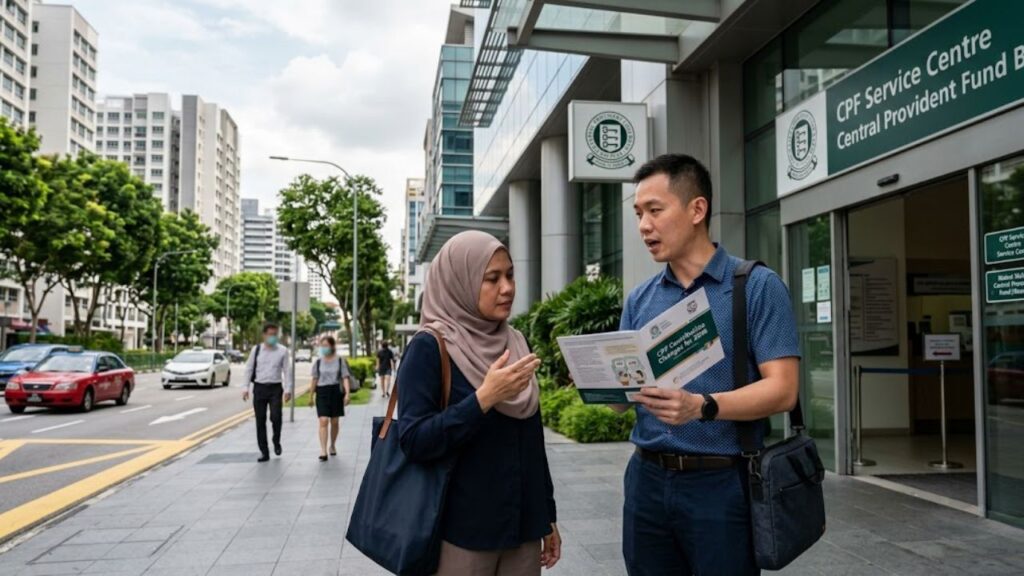
Singapore has announced big changes to the CPF contributions for 2026. The goal is to boost retirement savings while keeping costs low for employers. The government is making these changes as part of a long-term plan to help older people and keep workers’ finances stable. It’s important for both employees and business owners to know how these changes will affect their take-home pay and the costs of running their businesses. In this article, we explain the most recent changes to the CPF, how they affect different groups, and what you can expect in the future as Singapore’s job market changes.
Changes to CPF contributions in 2026: What workers need to know
The 2026 CPF contribution changes will mostly affect older workers in Singapore. The goal is to make sure that people have enough money to retire comfortably. Workers can expect their contributions to go up slowly over time, especially those between the ages of 55 and 70. This may lower your monthly take-home pay a little bit at first, but it will greatly increase the growth of your retirement savings over time. The government has made it clear that these changes are meant to give workers “long-term financial security” without being too much of a burden. Also, support measures like transitional offsets may make the adjustment period easier, making sure that people can smoothly adapt to the new “contribution rate structure.”
How CPF Updates 2026 Will Affect Businesses and Employers
Changes to the CPF contributions will also affect employers in Singapore, since they have to match higher rates for some groups of employees. This means that the costs of employer contributions will go up, especially for older employees. But the government plans to help businesses through this change by offering “temporary wage support” programs. Companies should plan ahead and include these changes in their payroll budget planning. Even though the first change may be hard, the long-term benefits include a more financially stable workforce, better employee retention, and a stronger “sustainable workforce model.”
 Singapore December 2026 S$700 Government Payout Confirmed: Automatic Disbursement Schedule Announced
How CPF Contribution Rates Will Change in 2026
Changes to the CPF contribution rate for 2026 are part of a phased approach that has been in place for a few years. These changes are mostly about closing the gap between the contributions of younger and older workers. The government wants to make sure that everyone in the workforce is treated fairly by improving the “age-based contribution tiers.” The changes will also help older workers who may not have saved as much money when they were younger have enough money to live on in retirement. It’s important to know the new CPF allocation percentages and how they affect both regular and special accounts. In general, these changes fit in with Singapore’s larger social security system.
Final Thoughts on CPF Contribution Changes 2026
The changes to the CPF contributions for 2026 show that Singapore is taking a proactive approach to dealing with demographic and economic problems. Both workers and employers may have to make short-term changes, but the long-term benefits are clear. Employees get better retirement funds, and businesses get a stronger workforce. The government’s use of “gradual policy implementation” makes sure that there is as little disruption as possible, and “targeted financial assistance” is available when needed. As these updates come out, it will be important to stay up to date and plan ahead. In the end, these changes show that Singapore is still committed to “inclusive economic growth” and a safe future for all its citizens.
| Age Group | 2025 CPF Rate | 2026 CPF Rate | Change ImpactUnder 55No changeRaiseRaiseRiseNo change |
|---|
Questions That Are Often Asked (FAQs)
1. What will happen to CPF contributions in 2026?
They are raising CPF rates for older workers to help them save more for retirement.
2. Will my salary go down because I have to pay more into the CPF?
 Singapore CDC Voucher Scheme 2026: Households Advised to Redeem S$800 Before Final Deadline
Your take-home pay may go down a little, but your savings will go up more.
3. What will employers do about the higher costs of CPF?
Employers may get short-term help from the government to make up for higher contributions.
4. Who gains the most from these changes?
Older workers benefit the most from better retirement savings.