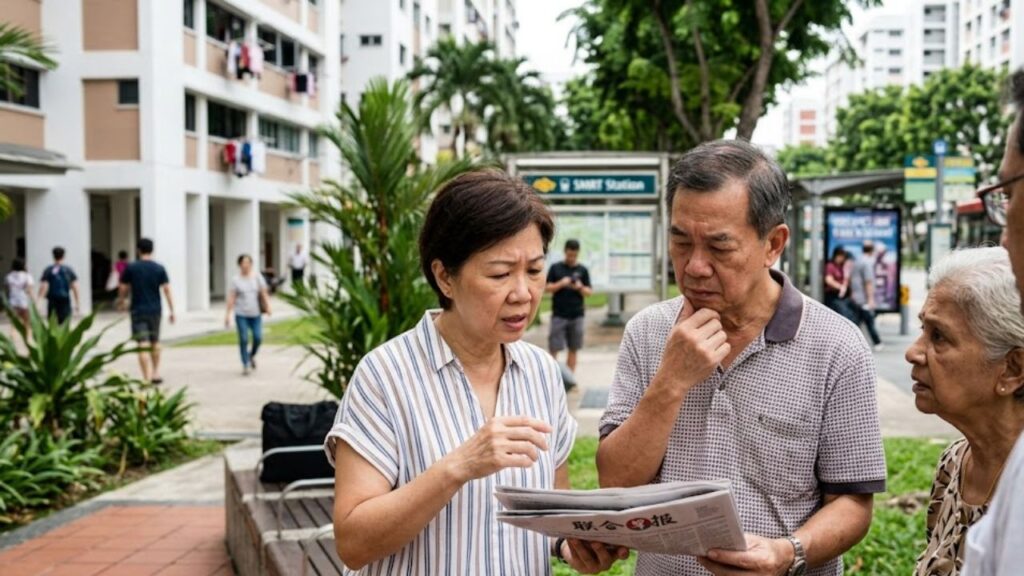
Singapore households are feeling the impact of another electricity tariff revision in 2026, as rising power costs continue to squeeze monthly budgets. With utility bills becoming a bigger concern for families, many residents are paying closer attention to how tariffs are calculated and what changes may lie ahead. In Singapore, where energy use is closely tied to climate, lifestyle, and housing type, even a modest increase can make a noticeable difference. Understanding the latest tariff update can help consumers plan better, reduce waste, and manage household expenses more effectively. electricity tariff revision rising power costs monthly budgets concern household expenses management
Singapore Electricity Tariff 2026 and Why Prices Are Increasing
The Singapore electricity tariff in 2026 has become a major talking point as households notice higher monthly bills. Several factors are pushing prices upward, including global fuel market volatility, generation costs, and energy supply adjustments. Since Singapore relies heavily on imported natural gas for power generation, international price shifts can quickly affect local electricity rates. For many families, this means tighter budgeting and a stronger focus on everyday energy habits. Rising utility costs are especially challenging for larger households and homes with constant air-conditioning use. While the tariff structure remains regulated and transparent, consumers are still feeling the pinch through fuel cost surge, higher utility bills, imported gas prices, and energy market pressure, all of which are shaping the current cost landscape.
How Rising Power Costs in Singapore Affect Household Spending
As electricity bills climb, many Singapore residents are adjusting their spending patterns to stay on top of monthly expenses. Families are now more likely to track appliance use, cut unnecessary energy consumption, and rethink how often they run cooling systems. For lower- and middle-income households, even a small increase in electricity rates can reduce flexibility in grocery, transport, or childcare budgets. This growing financial strain is making utility management a bigger part of daily life. Consumers are also comparing retailers and plans more carefully in search of better value. The impact is especially visible through monthly budget strain, aircon usage habits, daily living costs, and household expense planning, as people look for practical ways to cope without sacrificing too much comfort.

Singapore Power Tariff Update 2026: Ways Families Can Lower Bills
Although electricity prices are rising, households in Singapore still have several smart ways to manage their power expenses in 2026. Small adjustments, such as using energy-efficient appliances, switching off standby devices, and setting air-conditioners at moderate temperatures, can make a real difference over time. Some families are also exploring plans in the open electricity market to find rates that better match their usage patterns. Beyond switching providers, awareness plays a huge role in long-term savings. The key is consistency rather than drastic changes. Practical solutions like energy saving habits, efficient home appliances, smart meter tracking, and retailer plan comparison can help households keep electricity costs under control even during periods of tariff increases.
What the 2026 Electricity Tariff Means for Singapore Households
The 2026 electricity tariff update is more than just a utility adjustment—it reflects the wider cost pressures affecting households across Singapore. As energy prices remain sensitive to international fuel trends and supply conditions, consumers may need to treat electricity spending as a bigger part of financial planning. While the tariff increase may not hit every household equally, the overall message is clear: efficiency now matters more than ever. Families that stay informed and make simple changes at home will likely be better prepared for future fluctuations. Looking ahead, consumer cost awareness, long term savings, power usage control, and financial planning steps will become increasingly important in helping households stay resilient amid rising utility expenses.
| Category | 2025 Situation | 2026 Update | Household Impact |
|---|---|---|---|
| Electricity Tariff | Relatively stable | Moderate increase | Higher monthly bills |
| Main Cost Driver | Fuel imports | Fuel and supply costs | Tariff volatility |
| High Usage Homes | Manageable costs | Noticeably higher bills | Greater budget pressure |
| Energy-Saving Measures | Optional for many | Increasingly necessary | Better cost control |
| Consumer Response | Low plan switching | More tariff comparisons | Smarter electricity choices |
Frequently Asked Questions (FAQs)
1. What is causing the Singapore electricity tariff to rise in 2026?
The increase is mainly linked to higher global fuel prices, imported gas costs, and broader energy supply pressures. higher global fuel imported gas costs energy supply pressures electricity tariff rise

2. Will all households in Singapore be affected equally?
No, homes with higher electricity use, especially for cooling and appliances, will likely feel the increase more. higher electricity use cooling appliance demand unequal household impact increased power consumption
3. Can families reduce the impact of higher power costs?
Yes, using energy-efficient appliances and improving daily electricity habits can help lower monthly bills. energy efficient appliances daily electricity habits lower monthly bills power cost reduction
4. Should consumers compare electricity plans in 2026?
Yes, comparing available plans may help households find more suitable rates based on their usage patterns. compare electricity plans suitable usage rates household usage patterns better tariff options