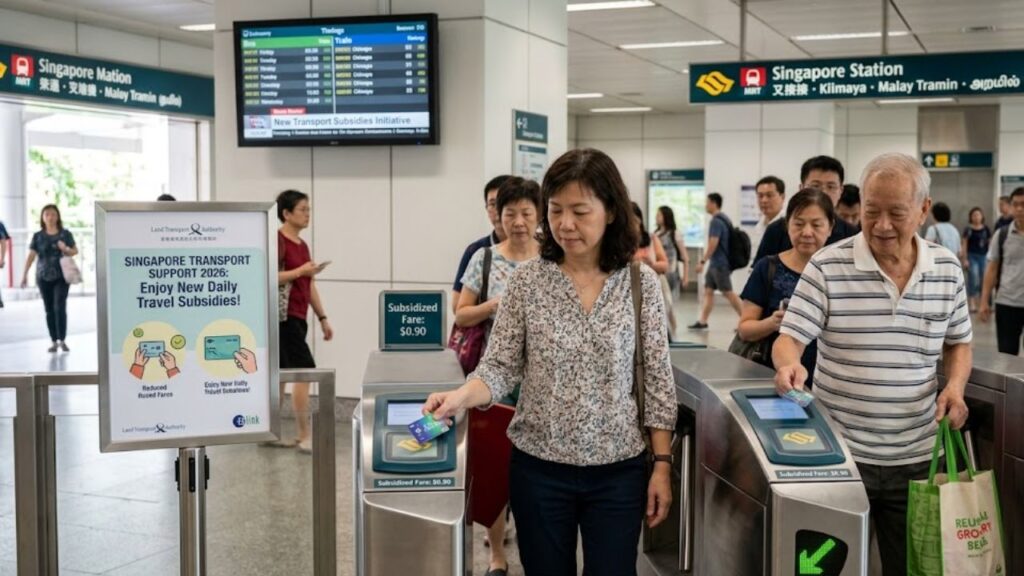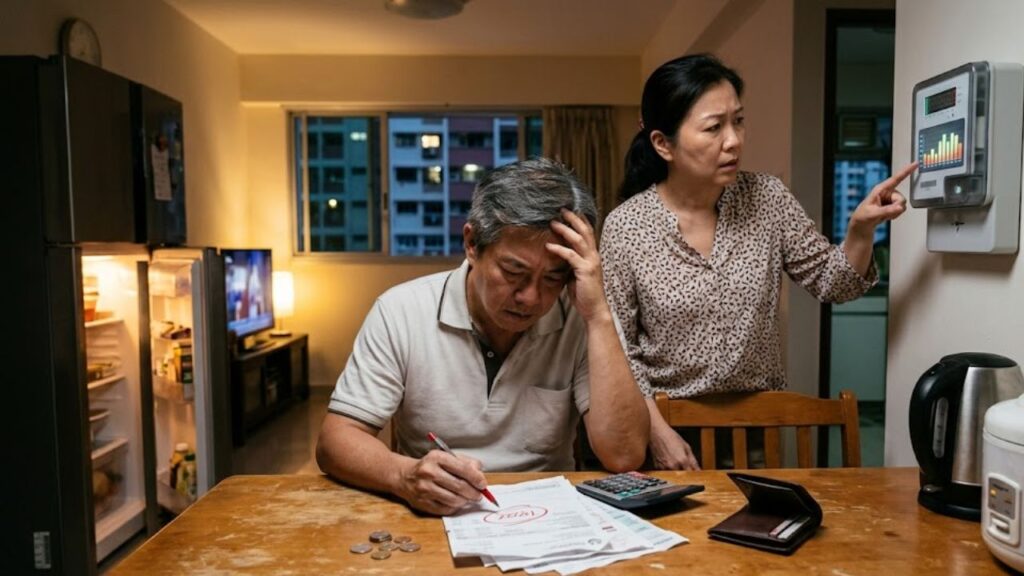
In 2026, Singapore is facing a noticeable rise in electricity tariffs, creating new financial pressure for households across the country. As global energy markets fluctuate and supply costs increase, residents are seeing higher utility bills month after month. While Singapore has long maintained a reliable energy system, these price adjustments are prompting families to rethink their consumption habits and budgeting strategies. With the government monitoring the situation closely, many are wondering how these changes will impact daily life and what steps can be taken to manage rising electricity expenses more effectively.
Singapore Electricity Price Increase Trends in 2026
The recent surge in electricity tariffs in Singapore is largely driven by global fuel price volatility and supply chain disruptions. Energy providers are adjusting rates to reflect higher import costs, resulting in noticeable increases in monthly bills. Many households are now tracking their usage more closely to avoid unexpected expenses. The rise in global energy costs, combined with fuel supply issues, has made electricity pricing less predictable. Consumers are also becoming more aware of peak usage hours and exploring energy saving habits to cope with these changes, while regulators continue monitoring market price shifts to maintain stability.
Impact of Rising Electricity Tariffs on Singapore Households
For many families in Singapore, higher electricity tariffs are directly affecting monthly budgets. Increased utility bills mean households must adjust spending in other areas, from groceries to leisure activities. The pressure is especially felt among middle-income groups who may not qualify for subsidies. With higher monthly bills becoming the norm, people are focusing on budget planning strategies and cutting down on unnecessary consumption. Some are investing in efficient home appliances or adopting smart energy solutions to reduce costs. The broader concern revolves around household financial strain and how long these elevated tariffs will persist.

Ways to Manage Singapore Electricity Costs Effectively
As electricity prices continue to rise, Singapore residents are actively seeking ways to control their energy expenses. Simple adjustments like turning off unused devices and optimizing air-conditioning usage can make a noticeable difference. Many households are also exploring alternative plans offered by retailers to secure better rates. Embracing energy efficient practices such as LED lighting and insulation improvements can significantly reduce consumption. Additionally, using real time monitoring tools helps track usage patterns more accurately. Consumers are also comparing retail electricity plans and adopting cost saving measures to maintain balance in their monthly utility expenses.
Understanding the Bigger Picture of Singapore Electricity Costs
The rise in electricity tariffs in Singapore reflects broader global energy challenges rather than isolated local issues. While the immediate effect is felt in household budgets, long-term solutions lie in improving efficiency and diversifying energy sources. Government initiatives and regulatory oversight aim to ensure fair pricing while encouraging sustainability. Residents can benefit from understanding long term energy trends and adapting their consumption habits accordingly. By focusing on sustainable power usage and leveraging government support schemes, households can better manage expenses. Ultimately, building energy conscious lifestyles will help mitigate the impact of ongoing price fluctuation risks.
| Factor | Impact on Prices | Household Response |
|---|---|---|
| Fuel Cost Increase | Higher tariffs | Reduce usage |
| Global Supply Issues | Price volatility | Monitor consumption |
| Peak Demand Periods | Surge pricing | Shift usage timing |
| Retail Market Options | Variable pricing | Switch providers |
| Energy Efficiency Measures | Lower bills | Upgrade appliances |
Frequently Asked Questions (FAQs)
1. Why are electricity prices rising in Singapore in 2026?
Prices are increasing mainly due to global fuel costs and supply disruptions.
2. How can households reduce electricity bills?

They can adopt energy-saving habits and use efficient appliances.
3. Are there alternative electricity plans available?
Yes, consumers can choose from various retail electricity providers.
4. Will electricity prices continue to rise?
Prices may fluctuate depending on global energy market conditions.