Drivers in Singapore will see a significant change in traffic enforcement starting on April 8, 2026, when AI-powered cameras start automatically imposing fines. By identifying infractions more precisely and reliably than conventional techniques, the new system aims to increase traffic safety. These cameras can detect infractions like speeding, cell phone use, and lane violations without the need for human intervention thanks to sophisticated image recognition and real-time data analysis. This shift makes awareness and preparation more crucial than ever for drivers in Singapore because it will result in tighter compliance requirements, fewer warnings, and quicker fines.
Drivers in Singapore Face Automatic Penalties
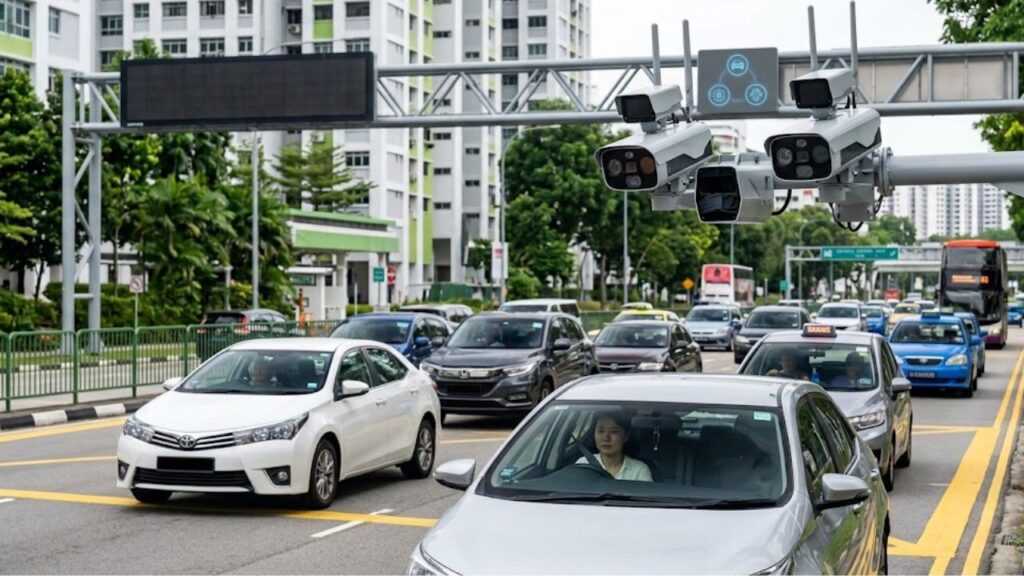
The installation of AI cameras on Singaporean roads represents a major advancement in law enforcement technology. To quickly detect infractions, these systems rely on automated offense capture, high accuracy scans, and real-time detection. AI-enabled devices, in contrast to older cameras, are able to monitor patterns of vehicle behavior rather than just isolated instances. This makes it simpler to identify behaviors like frequent lane weaving and distracted driving. Because enforcement is no longer dependent on manual review or physical patrols, drivers have a much smaller margin of error. By promoting regular, law-abiding driving practices, the objective is to make roads safer.
Drivers in Singapore Face Automatic Penalties
Smart cameras linked to central processing systems are used in Singapore’s AI enforcement network. Instant data processing, number plate recognition, and digital evidence storage are used when a violation is discovered. Before automatically imposing fines, the system verifies vehicle records. Then, notices are sent digitally, which minimizes disagreements and delays. According to authorities, this strategy increases transparency and reduces human bias. Additionally, since the system captures time-stamped data and high-resolution images for every incident, drivers have little opportunity to contest obvious infractions.

What Singaporean Drivers Should Know About Automatic AI Fines
AI-driven fines create a new level of responsibility for regular drivers. Due to ongoing road monitoring, behavior pattern tracking, and zero tolerance errors, common habits that were previously disregarded may now result in penalties. Drivers will always need to pay closer attention to lane discipline, phone usage, and speed limits. Authorities think this will improve traffic flow and lessen accidents, despite the fact that some people may find it harsh. Safer roads and fewer disturbances brought on by careless behavior may eventually benefit compliant drivers.
 CPF Contribution Changes 2026: New Rules for Higher-Income and Senior Workers Take Effect from April
The deployment of AI cameras with automated fines is a reflection of Singapore’s larger efforts to manage smart cities. The system seeks to alter driver behavior rather than just punish it through technology-led enforcement, quicker penalty issuance, and uniform rule application. The change may seem difficult at first, but it promotes long-term self-control and traffic safety. Before April 2026, it will be crucial for drivers to comprehend the regulations and modify their behaviors in order to prevent needless fines and stress.
Aspect Specifics
| Date of Start | April 8, 2026 |
|---|---|
| AI-powered traffic cameras as an enforcement strategy | Yes |
| Key infractions include speeding, using a phone, and lane violations. | Yes |
| Digital and Automatic Fine Issuance | Yes |
| Coverage Area | Highways and major thoroughfares |
FAQs, or frequently asked questions
- When do Singaporean AI traffic fines begin
On April 8, 2026, the system starts to automatically impose fines. - What infractions are detectable by AI cameras?
They are able to identify lane-related infractions, cell phone use, and speeding. - Will fines be imposed without human oversight?
Indeed, following system verification, fines are generated automatically. - How are drivers going to get their fines?
Official notification channels will be used to send fines digitally.