Electricity tariffs across Singapore are expected to rise in March 2026, which will affect households, businesses, and commercial energy users. The change is largely linked to higher global fuel prices and adjustments in energy supply costs.
For consumers trying to manage their monthly utility spending, reviewing electricity plans ahead of time can help reduce the financial impact of the upcoming tariff changes.
| Key Information | Details |
|---|---|
| Expected Tariff Adjustment | March 2026 |
| Main Cost Driver | Rising global natural gas prices |
| Affected Groups | Households, businesses, commercial users |
| Electricity Market | Singapore Open Electricity Market (OEM) |
| Official Source | Energy Market Authority (EMA) |
Reasons Behind the Electricity Price Increase
Most of Singapore’s electricity generation depends on imported natural gas. When international gas prices increase, local electricity tariffs usually rise as well.

Additional factors such as fuel transportation expenses, maintenance of power infrastructure, and long-term energy security investments also influence how electricity tariffs are calculated. These components are reviewed regularly when regulators determine new electricity prices.
Industries that rely heavily on electricity—such as data centres, technology firms, and financial service companies—often feel the impact more strongly because energy costs make up a significant portion of their operational expenses.
Matched Retirement Savings Scheme
CPF Top-Ups 2026: Up to S$600 Match in Singapore
Impact on Singapore Households and Businesses
For households, the tariff revision could result in higher monthly utility bills, especially for families living in larger homes or those that frequently use air-conditioning.
Businesses operating energy-intensive facilities may also experience higher operational costs. Many companies respond by reviewing their electricity contracts or switching to fixed-rate energy plans to maintain predictable expenses.
Consumers in Singapore can also explore different electricity retailers through the Open Electricity Market (OEM), where various providers offer competitive pricing options and contract structures.
Practical Ways to Manage Rising Electricity Costs
Residents and businesses in Singapore can adopt several strategies to reduce the effect of higher electricity tariffs.
 Gold Prices Drop As Oil Nears US$120 And Stronger Dollar Pressures Markets Amid Inflation Concerns
- Use energy-efficient appliances with high efficiency ratings
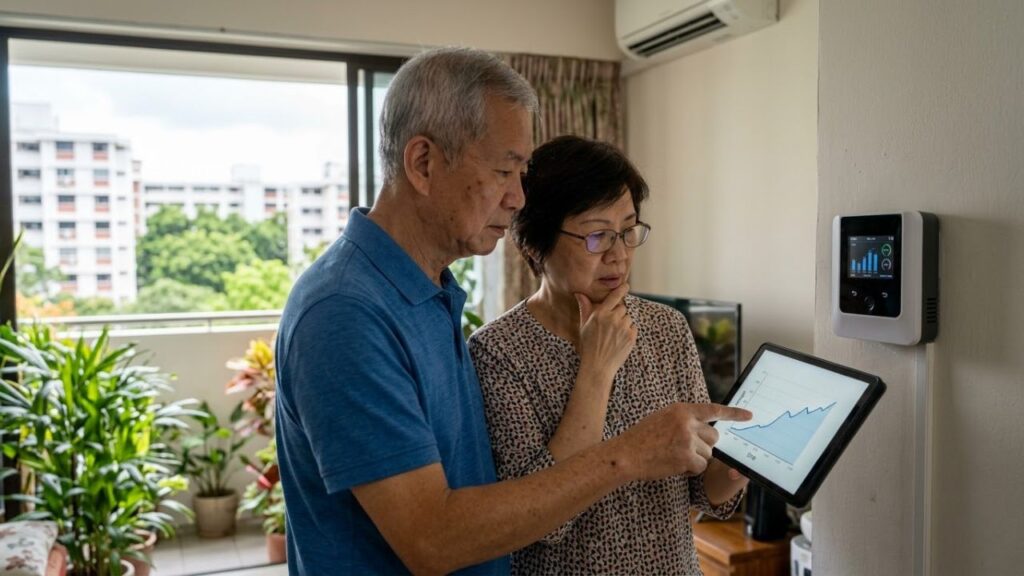
- Track electricity consumption through smart meters
- Compare fixed-price electricity plans offered by retailers
- Reduce unnecessary air-conditioning during peak hours
- Explore solar energy solutions where practical
Even small improvements in daily energy usage can gradually reduce electricity expenses over time.
Why the Tariff Changes Matter
Electricity prices play an important role in both household budgeting and business operating costs throughout Singapore. Since the country depends heavily on imported natural gas, global energy market trends can quickly influence local electricity tariffs.
Keeping track of tariff announcements helps consumers prepare for potential bill increases. By reviewing electricity plans early, households and businesses may also find opportunities to switch retailers or adjust energy usage before higher costs take effect.
Frequently Asked Questions
Why are electricity prices increasing in Singapore in March 2026?
The expected rise is mainly due to higher global natural gas prices and overall energy supply costs, which directly impact Singapore’s electricity tariffs.
How will the tariff adjustment affect households?
Households may experience higher monthly electricity bills depending on their energy consumption and the type of electricity plan they currently use.
Can Singapore consumers switch electricity retailers?
Yes. Through the Open Electricity Market (OEM), consumers in Singapore are able to choose from different electricity retailers offering a variety of pricing plans.
Singapore Work Permit Changes
Work Permit 2026 updates include LQS rise to S$1,800, higher age limits and new quota rules for employers
How can I reduce my electricity bill?
Using energy-efficient appliances, monitoring electricity usage, and selecting competitive electricity plans can help lower overall electricity costs.