Adults are often surprised by what kids do. We often think of ourselves as the teachers, guiding, correcting, and shaping their behaviour, but there are many times when the roles switch without us even realising it. Children show a deep understanding of kindness and compassion that many adults lose as they get older. They are honest, innocent, and creative.
These little things that happen every day show something important: kids don’t think too much about empathy; they live it. They answer in a way that is honest, creative, and emotionally aware, which feels natural rather than forced. The next few moments show how well kids often understand kindness, patience, and how people connect with each other.
Seeing the World Without Making Assumptions
A parent was called to school because their daughter wrote about her mother’s job in a way that made things unclear. The child said that men were giving her mum money and arguing over who should go first. At first, it sounded wrong, but the truth was simple and innocent: the mother worked as a cashier at an auto parts store during a busy sale.

The misunderstanding wasn’t the only thing that made the moment special. The child also recreated her mother’s work environment in class, copying her actions and words perfectly and with pride. There was no judging or shame; only admiration and watching. Kids see the world as it is, without the filters that adults put on it.
Instead of Criticism, Creativity
Another parent came into the kitchen ready for a fight after seeing their seven-year-old writing on the wall. The child didn’t just make random marks; they made a “map of flavours” out of the food in the fridge, putting things in order by taste using colours and patterns. The adult saw damage, but the child saw creativity. This moment shows a big difference: kids tend to think about what they can do instead of what they did wrong. They are not careless; they are curious.
The Most Pure Form of Empathy
A parent who missed their child’s soccer game by accident expected to be angry or disappointed. The child instead left a note and set several alarms so the parent wouldn’t miss the next one.
This small thing says a lot. Instead of thinking about how bad they felt, the child thought about how they could help their parent do better next time. It reminds us that empathy doesn’t always come from growing up; it often comes from really caring.
Friendship That Never Ends
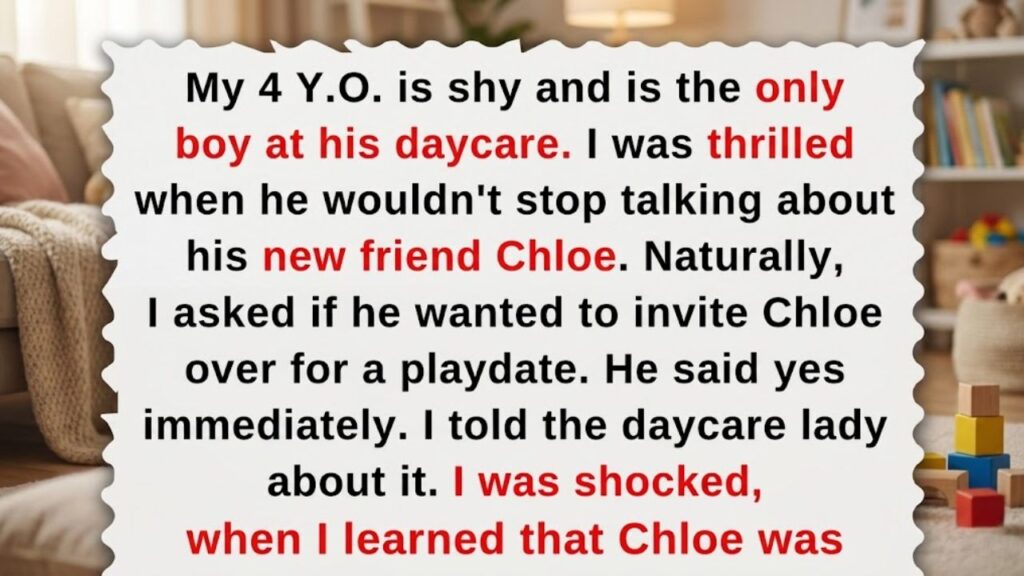
One parent was overjoyed to hear their shy four-year-old talk about a new friend named Chloe and quickly agreed to set up a playdate. Later, they found out that Chloe was the daycare’s cat.
This moment is funny, but it also shows something deeper. Kids don’t set the same limits on relationships as adults do. They make connections based on happiness and comfort, not what society expects of them.
Making Problems into Opportunities
The parent thought they would have to buy a new toy when the child’s broke. The child, on the other hand, calmly got the supplies and turned the broken toy into something new and fun.
The child didn’t think about what they had lost; instead, they thought about how to get better. Many adults have a hard time keeping this ability to turn problems into chances.
Imagination and Responsibility
If you ask for help with homework late at night, it might mean you’re putting it off. But in one case, a kid turned their homework into a story with pictures.
This moment shows how kids can be responsible and creative at the same time. They don’t just do their jobs; they make them meaningful and fun.
Being thoughtful about small things
A parent saw that their grocery list had been covered in scribbles, like stars, smiley faces, and arrows. What looked like a mess was actually a helpful guide made by their child that showed their favourite foods and suggested healthier options.
This small act of care shows how kids notice the little things and show kindness in small but important ways.
Emotional Awareness That Goes Beyond Words
One parent came home after a long day at work to find that their child had made a “family happiness plan.” It had a schedule with time for meals, play, and even quiet time to relax.
The child saw that there was tension in the house and came up with a way to fix it. This kind of emotional awareness—being able to see stress and try to help it—is a strong form of compassion.
How to bounce back from disappointment
A child didn’t complain when their planned trip to the park was cancelled because it rained. Instead, they made a “Indoor Adventure” game that turned their sadness into fun.

Kids usually adapt better than adults. They don’t think about what went wrong; they think about what can still go right.
Working together and being fair
If siblings can’t agree on a blanket, they might start fighting. One child, on the other hand, suggested a schedule where everyone would get the same amount of time, followed by reading together.
This moment shows how easily kids can understand fairness and working together when they have the chance. They don’t always need help; they often find solutions that work for everyone on their own.
Creativity as a Way to Be Honest
One child made a funny comic about their family’s week that was also very honest. It gave a different point of view that was simple, honest, and helpful.
Kids often use creativity to show how they feel and what they’ve been through. Their honesty, which can be surprising at times, shows how clearly they see the world.
Being Nice Without Expecting Anything
A parent came home after a long day expecting things to be a mess. Instead, they saw that the house was clean and their child was quietly waiting. The child just said, “I thought it would make you happy,” when asked why.
This moment shows what kindness is all about. There was no need for recognition or a reward; all they wanted was to make someone else happy.
What Kids Can Teach Adults
These moments are more than just nice stories. They remind adults of things they often forget, like being curious, caring, creative, and kind without expecting anything in return.
As people get older, their natural instincts can be hidden by stress, responsibilities, and social expectations. Adults start to overthink, judge, and analyse situations that kids deal with in a straightforward and honest way.
Kids show us that being nice doesn’t have to be hard. It doesn’t need big gestures or the right time. Sometimes, all it takes is to understand how someone feels, offer to help, or find happiness in small things.
The Ease of Being Kind
One of the biggest differences between kids and adults is how they show compassion. Kids do what they feel without thinking about it. They don’t think about whether what they’re doing is enough; they just do it.
Adults, on the other hand, often wait. They are afraid of being misunderstood, going too far, or not doing enough. They sometimes don’t do anything at all while doing this.
Kids remind us that being kind doesn’t mean being perfect. It’s all about intention.
Last Thoughts
These 12 moments show that kids often get kindness and compassion better than adults do. They don’t do things because they think they should or because they think it’s the right thing to do; they do things because they feel strongly about them and are curious.
When we watch kids, we can reconnect with these parts of ourselves. We are told to be more patient, more creative, and more understanding.
In the end, maybe the most important thing kids teach us is that we don’t need to learn how to be kind; we just need to remember it.